Best SAP FICO Training in Pune⭐SAP FICO Course in Pune | Updated 2026
Join Our 100% Job Guaranteed

SAP PP Training in Pune

  • Join the Best SAP PP Training Institute in Pune to Master Production Planning.
  • This SAP PP Course in Pune Covers Fundamentals to Advanced Configuration.
  • Gain Hands-on Experience with Real-Time SAP PP Projects Guided by Industry Experts.
  • Earn a Globally Recognized SAP PP Certification with Complete Placement Support.
  • Get Professional Guidance to Create an Impressive Resume and Excel in Interviews.
  • Flexible Learning Options Available: Weekday, Weekend, and Fast-Track Batches.

Explore Active Opportunities on by ACTE

Live 1000+ Jobs and Internships
Quality Training With Affordable Fees in Pune!

⭐ Fees Starts From

INR 36,000
INR 16,500

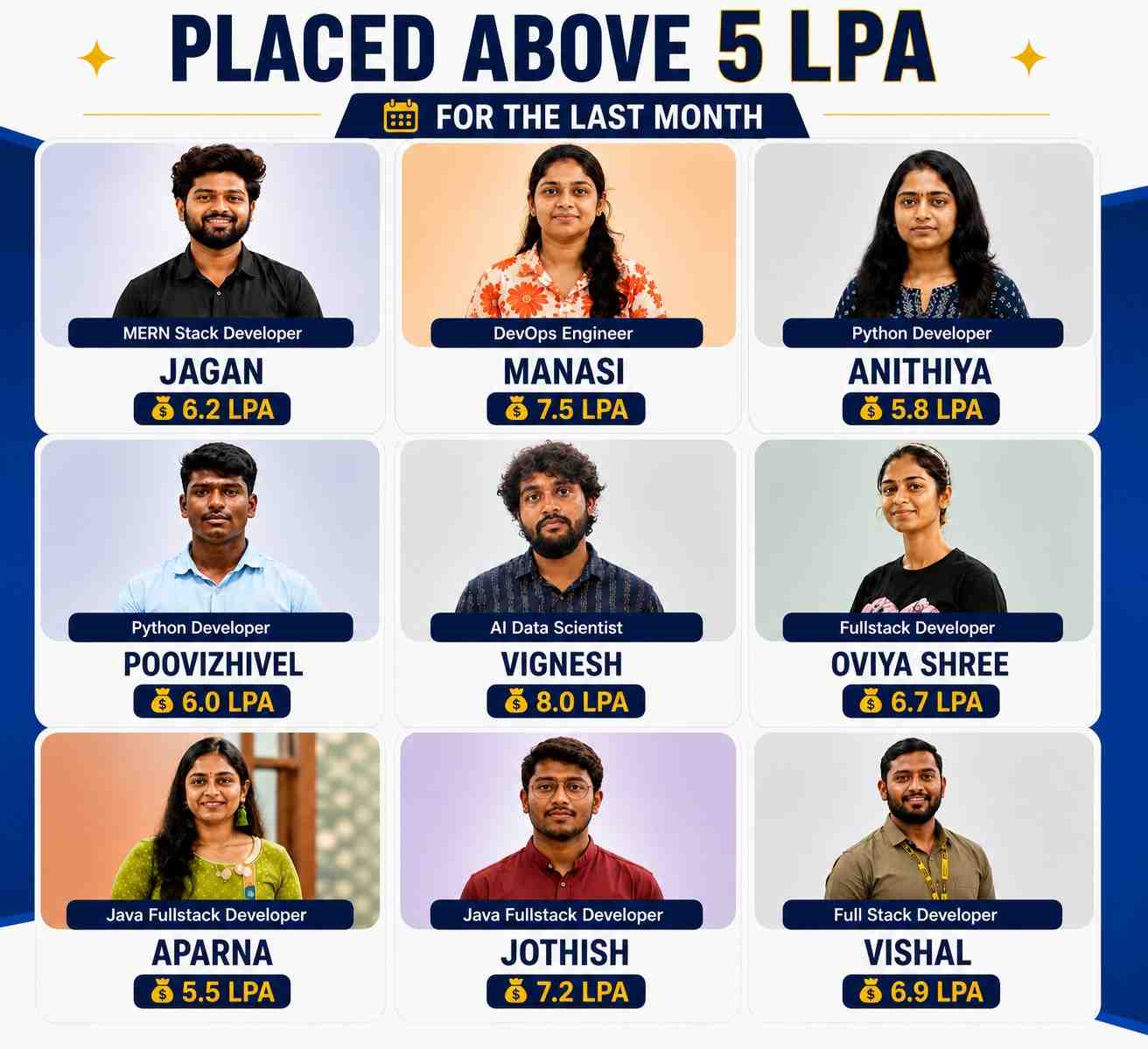
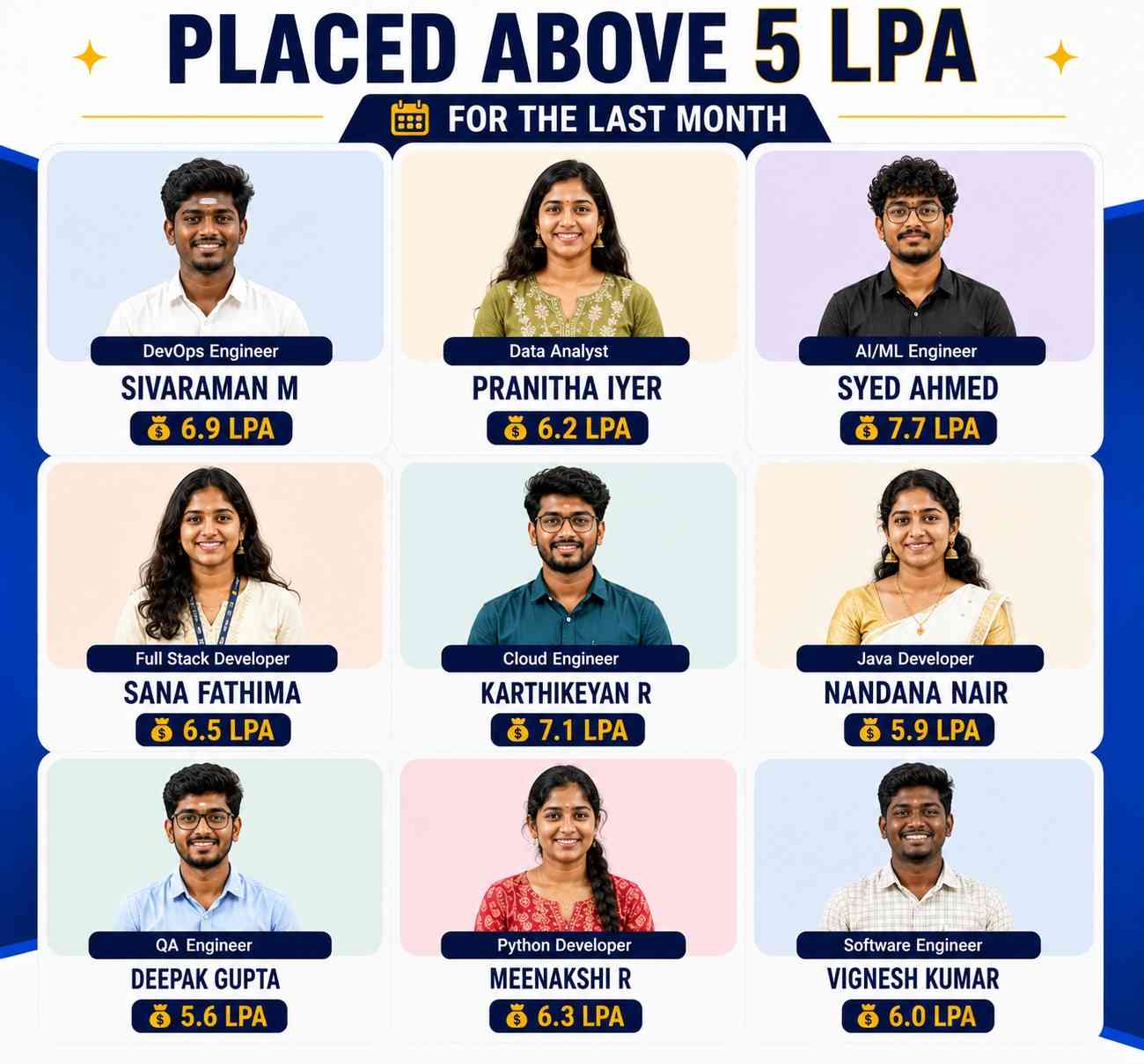
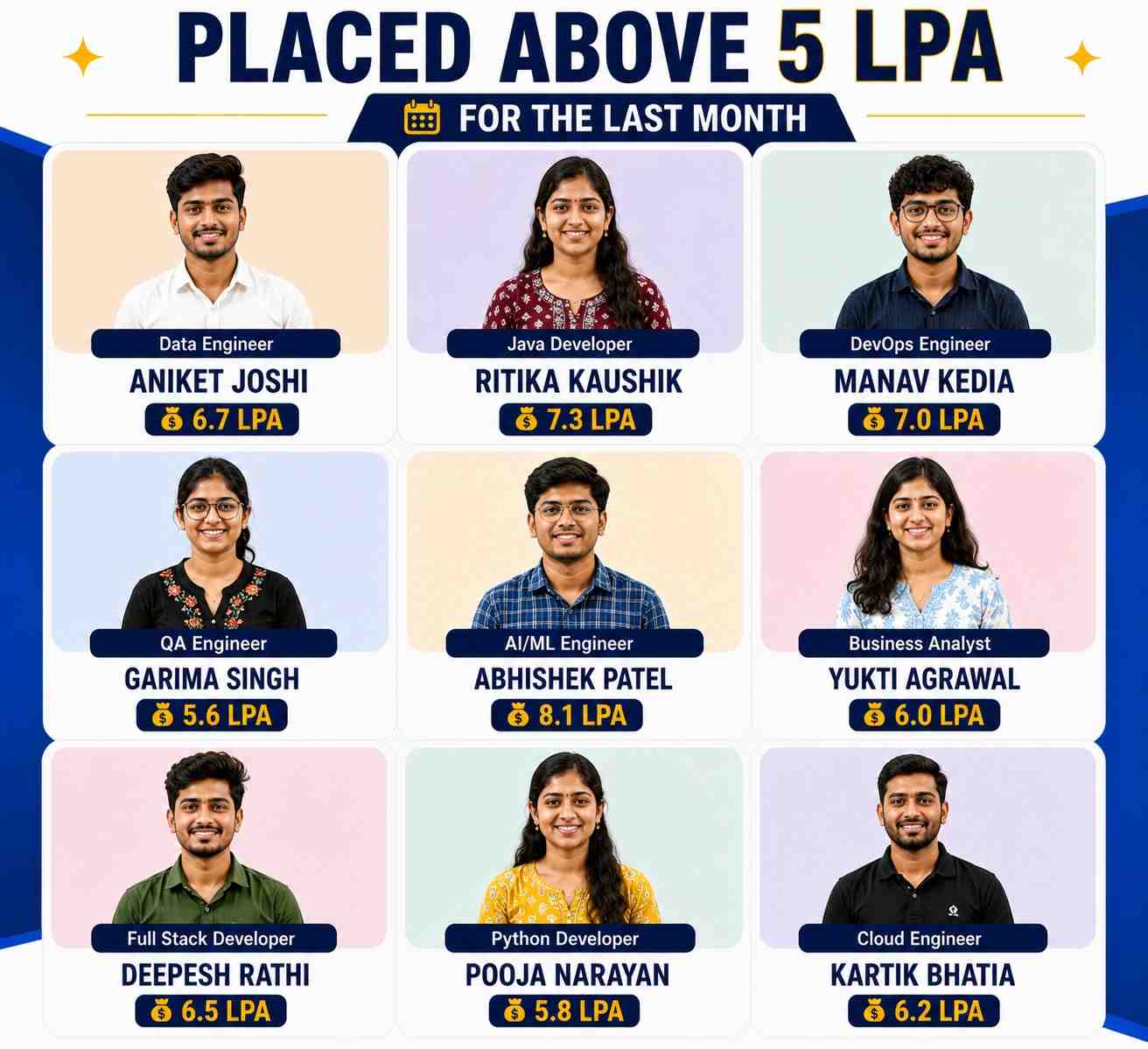
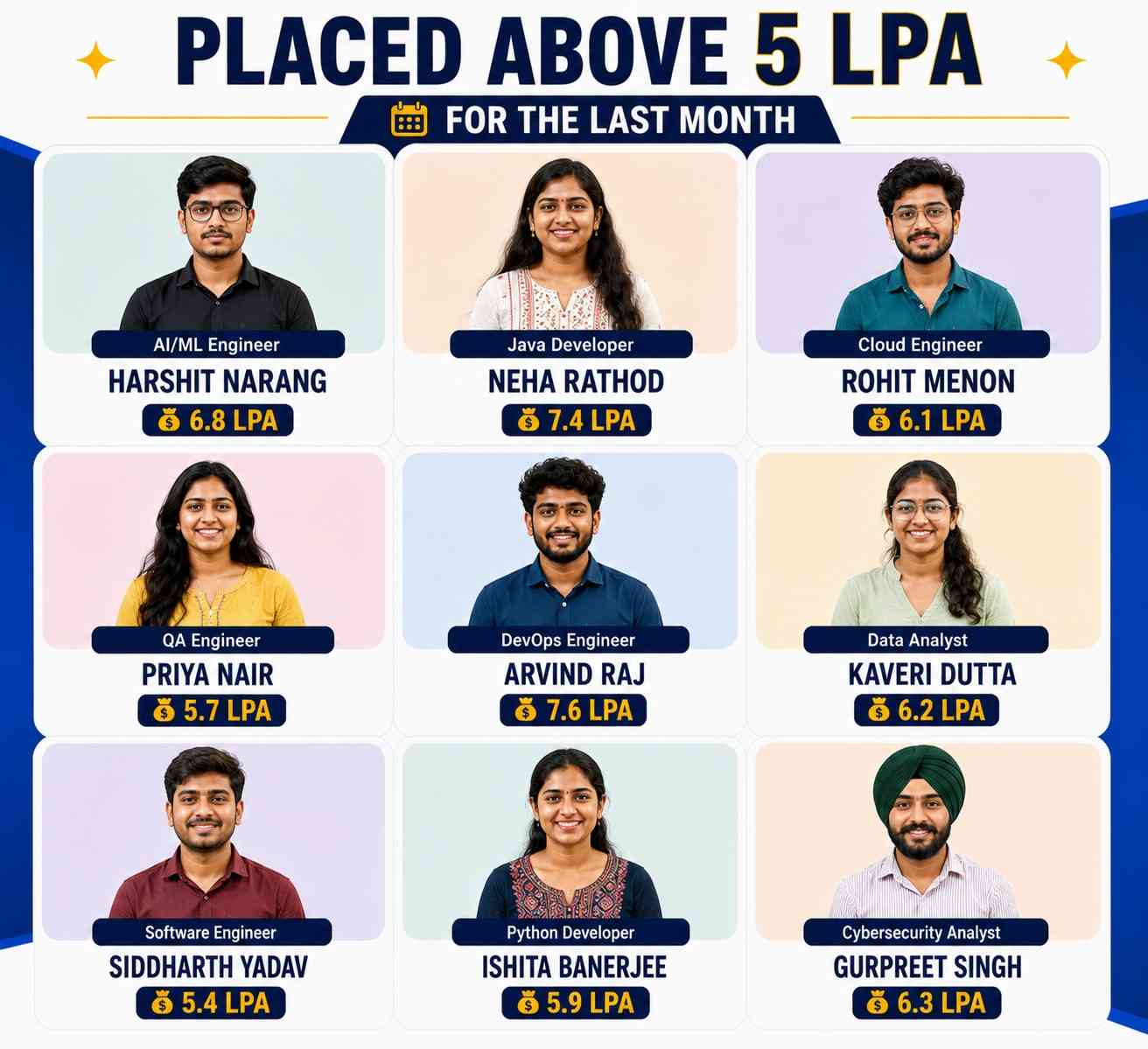
11059+

(Placed)
Freshers To IT

5256+

(Placed)
NON-IT to IT

7954+

(Placed)
Career Gap

4140+

(Placed)
Less Then 60%

Our Hiring Partners

Overview of SAP PP Course

Our SAP PP Training in Pune offers a comprehensive learning journey that covers everything from core production planning concepts to advanced manufacturing processes and SAP configuration techniques, helping you build strong expertise in production management within SAP environments. With hands-on practice and real-time business scenarios, you will gain experience working with essential SAP PP components such as Demand Management, Material Requirements Planning (MRP), Production Orders, Bill of Materials (BOM), Routing, and Capacity Planning, enabling you to efficiently manage production activities and manufacturing workflows. The course enhances your ability to configure, analyze, and optimize SAP production systems to support manufacturing operations, preparing you for career opportunities as an SAP PP Consultant, Production Planner, or SAP End User.

What You'll Learn From SAP PP Training in Pune

The SAP PP Training in Pune is tailored for fresh graduates and experienced professionals looking to gain in-depth knowledge of SAP Production Planning and Manufacturing processes.

During the course, participants receive hands-on training in key SAP PP components including Demand Management, Production Orders, Bill of Materials (BOM), Routing, and Capacity Planning.

Develop practical expertise in SAP PP modules by working on production configurations, manufacturing execution, scheduling activities, reporting, and process optimization.

The training includes interactive learning sessions, real-time project exposure, case studies, and practical assignments under the guidance of experienced SAP PP professionals.

By the completion of the program, you will be capable of configuring, managing, and supporting SAP PP solutions while earning an industry-recognized certification.

This career-focused training prepares you for opportunities such as SAP PP Consultant, Production Planner, SAP End User, SAP Support Consultant, and Manufacturing Process Specialist.

Additional Info

Course Highlights

  • Launch Your SAP PP Career with expert-led training in Demand Management, Material Requirements Planning (MRP), Routing, and Capacity Planning.
  • Get dedicated placement assistance with job opportunities from top companies hiring skilled SAP PP professionals.
  • Become part of a strong learning community of 11,000+ trained learners successfully placed through 350+ hiring partners.
  • Learn from industry experts with 10+ years of hands-on experience in SAP PP implementation and production planning process management.
  • Benefit from beginner-friendly training, real-time project exposure, and complete career support throughout your SAP PP learning journey.
  • Take advantage of flexible schedules, affordable fees, and 100% placement assistance, making it ideal for freshers and working professionals.
  • Build strong SAP PP expertise and gain real-world manufacturing domain exposure to confidently step into SAP Production Planning and Manufacturing roles.

Exploring the Benefits of SAP PP Training in Offline Mode

  • Simple and Easy to Learn: SAP PP focuses on production planning and manufacturing processes, making it easier for learners to understand demand planning, material requirements planning, production scheduling, and shop floor workflows. Through structured classroom sessions, practical exercises, and real-time scenarios, learners can build confidence in managing manufacturing operations efficiently.
  • Widely Used Across Industries: SAP PP is widely adopted in manufacturing, automotive, pharmaceuticals, FMCG, retail, and logistics industries. This creates excellent career opportunities for SAP PP Consultants, Production Planners, Manufacturing Coordinators, and Functional Consultants in leading organizations. The increasing demand for production optimization ensures strong career growth and stability.
  • Robust Community and Resources: SAP offers extensive learning resources such as SAP Learning Hub, technical forums, webinars, and implementation guides. Learners can stay updated with the latest SAP PP trends, connect with experts, and strengthen their knowledge through community participation and continuous learning.
  • High Demand and Attractive Salaries: Organizations rely on SAP PP professionals to manage production planning, optimize manufacturing processes, improve resource utilization, and enhance operational efficiency. This growing demand offers excellent salary packages, global job opportunities, and long-term career advancement in manufacturing and ERP consulting domains.
  • Excellent for Production Process Optimization: SAP PP helps organizations streamline production activities, capacity management, material planning, and manufacturing execution. With automation and real-time insights, businesses can improve accuracy, reduce delays, and enhance overall production efficiency.

Essential Tools for SAP PP Training in Pune

  • SAP PP Core Functions: Learn how to manage Demand Management, Material Requirements Planning (MRP), Production Orders, Bill of Materials (BOM), Routing, and Capacity Planning for end-to-end production operations in real-time business scenarios.
  • Configuration Tools: Gain expertise in SAP IMG (Implementation Guide) to configure production parameters, work centers, production versions, routing data, and manufacturing structures based on business requirements.
  • Integration with SAP Modules: Learn integration concepts between SAP PP and MM, SD, QM, and FICO modules to ensure seamless production tracking, accurate data flow, and end-to-end business process alignment.
  • Reporting and Analytics: Build production reports and dashboards using SAP Fiori and S/4HANA tools to analyze manufacturing performance, monitor KPIs, and support strategic decision-making.
  • Real-Time Projects and Practical Implementation: Work on live SAP PP projects involving MRP execution, production scheduling, capacity planning, BOM maintenance, and shop floor control activities to gain hands-on implementation experience.

Top Modules Every SAP PP Professional Should Know

  • SAP PP Fundamentals: Learn the basics of production planning and manufacturing including Demand Management, Material Requirements Planning (MRP), Production Orders, Bill of Materials (BOM), Routing, and Capacity Planning to build a strong manufacturing foundation.
  • Production Planning and Scheduling: Gain practical experience in demand forecasting, production scheduling, order processing, capacity leveling, and workflow management for efficient manufacturing operations.
  • Shop Floor Control: Understand production execution, order confirmations, work center management, and manufacturing monitoring techniques to control and optimize shop floor activities effectively.
  • Material and Capacity Management: Master BOM maintenance, routing configuration, resource planning, capacity utilization, and material availability checks within SAP systems.
  • Integration and Reporting: Learn SAP PP integration with MM, SD, QM, and FICO modules while using reporting tools to monitor production KPIs, track performance, and support business decision-making.

Advantages of Learning SAP PP Training in Pune

  • Beginner-Friendly Learning Approach: SAP PP training introduces learners to production planning and manufacturing concepts in a simple and structured way. Through instructor-led sessions, practical exercises, and real-time business scenarios, students gain confidence in managing production activities, scheduling operations, and manufacturing processes effectively.
  • Industry-Relevant Career Opportunities: SAP PP is widely used across manufacturing, automotive, pharmaceuticals, FMCG, retail, and logistics industries. Skilled SAP PP professionals are hired for roles like SAP PP Consultant, Production Planner, Manufacturing Coordinator, and ERP Functional Consultant in top organizations.
  • Strong SAP Learning Ecosystem: Learners gain access to SAP resources, online forums, documentation, and community discussions that help improve configuration, troubleshooting, and production process understanding. Continuous learning ensures professionals stay updated with SAP manufacturing innovations.
  • Growing Demand and Competitive Salaries: Companies rely on SAP PP experts to optimize production planning, streamline manufacturing operations, improve resource utilization, and enhance decision-making. This increasing demand leads to excellent salary packages and long-term career growth opportunities.
  • Supports Efficient Production Management: SAP PP helps organizations optimize production processes, material planning, capacity utilization, and shop floor control. Businesses can improve accuracy, reduce delays, and enhance overall manufacturing efficiency through automated production operations.

Important Concepts Covered in SAP PP Training in Pune

  • Production Planning Functions: Learn Demand Management, Material Requirements Planning (MRP), Production Orders, Bill of Materials (BOM), Routing, and Capacity Planning used in real-time manufacturing environments.
  • SAP PP Configuration: Understand configuration of work centers, production versions, routing data, BOM structures, and production planning parameters based on organizational requirements.
  • Cross-Module Integration: Learn how SAP PP integrates with SAP MM, SD, QM, and FICO modules to ensure seamless production data flow and end-to-end business process coordination.
  • Business Reports and Analytics: Generate production reports, dashboards, and analytics to track manufacturing performance, monitor KPIs, and support strategic decision-making.
  • Hands-On Real-Time Projects: Gain practical exposure through live SAP PP projects involving MRP execution, production scheduling, capacity planning, BOM maintenance, and shop floor control processes.

Core Modules Every SAP PP Learner Should Master

  • SAP PP Basics: Learn SAP PP organizational structure, production master data, BOM management, routing setup, and core manufacturing process flow fundamentals.
  • Production Planning: Understand Demand Management, Material Requirements Planning (MRP), Production Orders, and scheduling processes for efficient production management.
  • Capacity and Shop Floor Control: Gain expertise in capacity planning, work center management, order confirmations, and shop floor control techniques for production monitoring and optimization.
  • Production Operations and Execution: Learn production execution activities, order processing, material availability checks, and manufacturing adjustments for smooth operations.
  • Integration and Reporting Tools: Explore SAP PP integration with MM, SD, QM, and FICO modules while using reporting tools to analyze production data and support business decisions.

How SAP PP Skills Help You Secure Remote Jobs

  • Widely Used in Remote-Friendly Roles: SAP PP professionals can manage production planning, material requirements planning (MRP), production scheduling, and manufacturing activities remotely. Many global organizations hire SAP PP experts to support production operations and manufacturing workflows across distributed teams.
  • High Demand on Freelance Platforms: SAP PP consultants are highly sought after on freelance and remote platforms for production planning, MRP optimization, shop floor control, and manufacturing support projects. Professionals can build strong portfolios and secure long-term remote consulting opportunities.
  • Built for Virtual Collaboration: SAP PP enables smooth remote collaboration through centralized ERP systems, production dashboards, and real-time monitoring tools. Teams can manage planning activities, production orders, and manufacturing processes efficiently from different locations.
  • Efficiency Through Production Optimization: SAP PP professionals help organizations optimize manufacturing processes, improve resource utilization, manage production schedules, and enhance operational efficiency. These improvements support effective production management in remote and hybrid environments.
  • Access to Global Communities: SAP PP learners can engage in online forums, webinars, and SAP communities. This helps professionals stay updated with manufacturing trends, connect with experts, and explore global remote career opportunities.

What to Expect in Your First SAP PP Job

  • Hands-on Functional Tasks: Work directly with SAP PP modules such as Demand Management, Material Requirements Planning (MRP), Production Orders, Bill of Materials (BOM), Routing, and Capacity Planning. Gain practical exposure by handling real-time production planning and manufacturing activities.
  • Exposure to Workflows and Tools: Learn how production workflows, reporting tools, MRP processes, and SAP Fiori applications function in real business environments for end-to-end manufacturing management.
  • Reviews and Feedback: Senior consultants and production leads will review your work to ensure accuracy, process compliance, and efficiency. Continuous feedback helps improve your SAP PP configuration and analytical skills.
  • Collaborative Teamwork: Work closely with production teams, warehouse personnel, SAP MM/QM consultants, and business analysts. This collaboration enhances communication, coordination, and problem-solving abilities in enterprise projects.
  • Steady Skill Development: Start with basic production planning activities and gradually progress to advanced scheduling, capacity management, reporting, and configuration tasks. This structured growth builds a strong foundation for SAP PP career advancement.

Top Companies Hiring SAP PP Professionals

  • Accenture: Accenture hires SAP PP professionals to implement manufacturing solutions, optimize production processes, and support global enterprise transformation initiatives.
  • Infosys: Infosys recruits SAP PP consultants for ERP implementation, production planning optimization, and large-scale manufacturing support projects across industries.
  • Tata Consultancy Services (TCS): TCS offers SAP PP roles focused on production system configuration, capacity planning, and global SAP implementation projects for international clients.
  • Wipro: Wipro hires SAP PP specialists to support manufacturing operations, production monitoring systems, and digital transformation initiatives in enterprise environments.
  • Cognizant: Cognizant provides opportunities for SAP PP professionals to work on manufacturing automation, SAP implementations, and ERP consulting projects for global clients.
Show More

Upcoming Batches For Classroom and Online

Weekdays
22 - Jun - 2026
08:00 AM & 10:00 AM
Weekdays
24 - Jun - 2026
08:00 AM & 10:00 AM
Weekends
27 - Jun - 2026
(10:00 AM - 01:30 PM)
Weekends
28 - Jun - 2026
(09:00 AM - 02:00 PM)
Can't find a batch you were looking for?
INR ₹16500
INR ₹36000

OFF Expires in

Who Should Take a SAP PP Certification Course

IT Professionals

Non-IT Career Switchers

Fresh Graduates

Working Professionals

Diploma Holders

Professionals from Other Fields

Salary Hike

Graduates with Less Than 60%

Show More

Job Roles For SAP PP Certification Training

SAP PP Consultant

Production Planner

SAP End-User

Manufacturing Coordinator

Compliance Specialist

MRP Controller

Capacity Planner

Production Scheduling

Show More

Tools Covered For SAP PP Course in Offline Mode

OpenAI GPT Models Google Gemini Anthropic Claude Microsoft Copilot Amazon Bedrock Hugging Face Transformers Stability AI MidJourney

What’s included ?

Convenient learning format

📊 Free Aptitude and Technical Skills Training

  • Learn basic maths and logical thinking to solve problems easily.
  • Understand simple coding and technical concepts step by step.
  • Get ready for exams and interviews with regular practice.
Dedicated career services

🛠️ Hands-On Projects

  • Work on real-time projects to apply what you learn.
  • Build mini apps and tools daily to enhance your coding skills.
  • Gain practical experience just like in real jobs.
Learn from the best

🧠 Launch Your Career in Top MNC Companies

  • Master technical and HR interview rounds.
  • Gain confidence with expert mock interview practice.
  • Improve your chances of getting hired faster.
Learn from the best

🎯 Interview Preparation For Freshers

  • Practice company-based interview questions.
  • Take online assessment tests to crack interviews
  • Practice confidently with real-world interview and project-based questions.
Learn from the best

🧪 LMS Self Learning Platform

  • Explore expert trainer videos and documents to boost your learning.
  • Study anytime with on-demand videos and detailed documents.
  • Top MNC interview questions & self coding practice.

SAP PP Course Syllabus

  • 🏫 Classroom Training
  • 💻 Online Training
  • 🚫 No Pre Request (Any Vertical)
  • 🏭 Industrial Expert

Enrolling in SAP PP Training in Pune helps learners acquire the skills required to build successful careers in production planning and manufacturing while aligning with their professional objectives. This training program creates opportunities for high-demand positions in reputed organizations across diverse industries and global markets, offering exposure to modern enterprise environments and advanced SAP technologies. With flexible learning modes, participants can specialize in Demand Management, Material Requirements Planning (MRP), Production Orders, Bill of Materials (BOM), Routing, or Capacity Planning while establishing a solid foundation in configuring, managing, and optimizing end-to-end production planning processes using SAP PP.

  • SAP PP Key Concepts: Understand the fundamentals of production planning and manufacturing, industry best practices, and core SAP PP business processes.
  • SAP PP Module Administration & Management: Configure SAP PP modules, maintain master data, and streamline manufacturing and production workflows.
  • SAP PP Process Execution & Implementation: Perform production planning activities, MRP runs, production order processing, routing, and capacity planning within SAP.
  • SAP PP Tools & Analytics: Utilize SAP Fiori, SAP S/4HANA dashboards, and reporting tools to monitor production data, conduct analysis, and derive actionable insights.
Introduction to SAP PP
Core SAP PP Components
SAP PP Administration & Configuration
SAP PP Operations & Monitoring
System Integration & Automation
SAP PP Reporting & Analytics
SAP PP Strategy & Real-Time Projects

This module builds a strong foundation in SAP PP:

  • Significance of SAP PP: Understand the role of SAP PP in production planning, manufacturing execution, capacity management, demand planning, and improving production efficiency across organizations.
  • Fundamental Concepts: Learn demand management, material requirements planning (MRP), production orders, bill of materials (BOM), routing, work centers, and core PP concepts used in real-world manufacturing environments.
  • Key Platforms: Gain an overview of SAP PP integration with SAP ERP, SAP S/4HANA, SAP HANA, SAP Fiori, SAP Business Technology Platform, and other enterprise applications used by modern organizations.
  • Career Opportunities: Explore roles such as SAP PP Consultant, Production Planner, Manufacturing Coordinator, SAP Functional Consultant, Production Scheduler, and SAP Production Planning Solution Consultant.
  • Business Process Support: Understand how SAP PP supports production activities, manufacturing execution, capacity utilization, resource allocation, material planning, and operational optimization to improve business performance.

This module focuses on essential SAP PP concepts and business processes:

  • Production Planning Management: Manage SAP PP activities such as demand planning, MRP execution, production order processing, capacity planning, and manufacturing operations.
  • Production & Manufacturing Operations: Learn production scheduling, production orders, BOM management, routing, work center maintenance, repetitive manufacturing, and capacity leveling.
  • Master Data Management: Create and maintain material masters, BOMs, routings, work centers, production versions, and planning data for effective production management.
  • PP Best Practices: Learn workflow configuration, process optimization, master data governance, reporting standards, and industry best practices for successful production planning implementations.
  • Enterprise Integration: Understand how SAP PP integrates with SAP FI, SAP MM, SAP SD, SAP S/4HANA, third-party applications, and business intelligence platforms.

Develop expertise in configuring and managing SAP PP solutions:

  • SAP PP Tools & Applications: Learn SAP GUI, SAP Fiori, MRP tools, Production Order applications, Capacity Planning features, and transaction codes used for production planning operations.
  • Process Automation & Configuration: Configure MRP settings, production scheduling, capacity planning, workflow automation, order processing, and manufacturing activities within SAP PP.
  • Master Data & Production Management: Understand material master creation, BOM maintenance, routing setup, work center management, production versions, and data governance practices.
  • Analytics & Performance Monitoring: Work with production reports, manufacturing dashboards, capacity utilization metrics, order analysis tools, and operational reports to support business decision-making.
  • Production Optimization: Apply best practices to improve manufacturing efficiency, streamline production processes, reduce operational delays, optimize resource utilization, and support enterprise-wide production planning initiatives.

Gain practical experience in SAP PP implementation and production processes:

  • SAP PP Process Execution: Perform production activities such as demand management, MRP runs, production order creation, BOM maintenance, routing management, capacity planning, and shop floor control in real-time business environments.
  • SAP PP Components: Work with SAP GUI, SAP Fiori, Demand Management, Material Requirements Planning (MRP), Production Orders, Bill of Materials (BOM), Routing, and Capacity Planning modules to manage manufacturing operations effectively.
  • Production Planning Management: Handle material master maintenance, work center configuration, production versions, scheduling activities, manufacturing transactions, and production processes across organizations.
  • Testing and Process Validation: Perform transaction simulations, workflow testing, configuration validation, user acceptance testing, and process verification activities to ensure successful SAP PP implementations.
  • Enterprise Integration: Ensure seamless integration between SAP PP, SAP FI, SAP MM, SAP SD, SAP S/4HANA, third-party applications, and business processes to provide an efficient production planning ecosystem.

Learn how to integrate and manage SAP PP environments:

  • PP System Integration: Connect SAP PP with SAP FI, SAP MM, SAP SD, SAP S/4HANA, manufacturing systems, and enterprise applications to ensure seamless production and planning operations.
  • Master Data Management: Manage material masters, BOMs, routings, work centers, production versions, planning data, and manufacturing process information across SAP PP environments.
  • Cross-Functional Collaboration: Enable smooth communication between production teams, warehouse departments, procurement units, quality teams, and business users through integrated SAP PP workflows.
  • Process Optimization: Improve manufacturing efficiency, automate production planning activities, streamline scheduling processes, enhance resource utilization, and optimize production workflows using industry best practices.
  • Data Synchronization: Ensure consistent production information, manufacturing transactions, planning records, resource data, and analytical insights across integrated enterprise systems.

Understand how to monitor, analyze, and optimize SAP PP performance:

  • PP Monitoring Tools: Use production dashboards, manufacturing reports, analytics applications, and monitoring utilities to track production activities and operational efficiency.
  • Production Analytics: Analyze production performance, capacity utilization trends, resource consumption, manufacturing efficiency, process effectiveness, and business improvement opportunities.
  • KPIs and Metrics: Measure production accuracy, order completion rates, capacity utilization, manufacturing efficiency, resource productivity, and overall production process improvements.
  • PP Management Tools: Manage production reports, manufacturing transactions, production orders, operational dashboards, and SAP PP documentation for efficient production planning management.
  • Business Insights and Optimization: Apply manufacturing best practices, production optimization techniques, and data-driven decision-making methods to maximize operational performance.

Apply SAP PP skills through practical real-world use cases:

  • Project Planning: Define production implementation strategies for demand management, MRP execution, production scheduling, capacity planning, and manufacturing performance improvements based on organizational goals.
  • Live Projects: Gain hands-on experience in SAP PP configuration, production planning, manufacturing management, reporting activities, and end-to-end SAP PP business scenarios.
  • Performance Review: Evaluate production reports, manufacturing metrics, resource utilization, production schedules, operational KPIs, and process outcomes for continuous improvement.
  • Capstone Project: Build end-to-end SAP PP solutions involving production setup, MRP planning, capacity management, reporting, and manufacturing process enhancement.
  • Solution Deployment and Validation: Perform system testing, validate SAP PP configurations, ensure process accuracy, and support real-world production planning and manufacturing operations successfully.

🎁 Free Addon Programs

Aptitude, Spoken English

🎯 Our Placement Activities

Daily Task, Soft Skills, Projects, Group Discussions, Resume Preparation, Mock Interview

Get Hands-on Knowledge about SAP PP Projects

Placement Support Overview

Today's Top Job Openings for SAP PP Training in Pune

SAP PP Consultant

Company Code: PPC452

Pune, Maharashtra

₹25,000 – ₹45,000 a month

Any Degree

Exp 0–2 yrs

  • Configure SAP PP modules, manage production planning processes, maintain master data, and optimize manufacturing operations.
  • Easy Apply

    SAP PP Support Executive

    Company Code: PPS739

    Pune, Maharashtra

    ₹22,000 – ₹40,000 a month

    Any Degree / B.Tech

    Exp 1–3 yrs

  • Provide SAP PP support, resolve production planning issues, maintain manufacturing records, and assist users with daily planning activities.
  • Easy Apply

    SAP PP Project Lead

    Company Code: PPP621

    Pune, Maharashtra

    ₹35,000 – ₹60,000 a month

    Any Degree

    Exp 2–5 yrs

  • Lead SAP PP implementation projects, coordinate teams, oversee manufacturing initiatives, and manage end-to-end production planning processes.
  • Easy Apply

    SAP PP Functional Consultant

    Company Code: PPF884

    Pune, Maharashtra

    ₹30,000 – ₹50,000 a month

    Any Degree / B.E

    Exp 2–4 yrs

  • Analyze business requirements, configure SAP PP modules, improve production workflows, and support implementation activities.
  • Easy Apply

    SAP PP Support Analyst

    Company Code: PPA269

    Pune, Maharashtra

    ₹20,000 – ₹42,000 a month

    Any Degree

    Exp 0–4 yrs

  • Support production teams, troubleshoot SAP PP issues, monitor manufacturing transactions, and ensure smooth production planning operations.
  • Easy Apply

    SAP PP Business Analyst

    Company Code: PPB562

    Pune, Maharashtra

    ₹18,000 – ₹38,000 a month

    Any Degree

    Exp 0–3 yrs

  • Analyze production requirements, optimize planning activities, generate reports, and support end-to-end manufacturing process improvements.
  • Easy Apply

    SAP PP Technical Analyst

    Company Code: PPT415

    Pune, Maharashtra

    ₹24,000 – ₹45,000 a month

    Any Degree

    Exp 1–3 yrs

  • Support SAP PP integrations, evaluate system performance, enhance manufacturing functionalities, and optimize production planning processes.
  • Easy Apply

    Top SAP PP Tricky Interview Questions and Answers (2026 Guide)

    Ans:

    SAP PP (Production Planning) is a core SAP module used to manage manufacturing planning, production execution, material requirements planning, and capacity management. It helps organizations streamline manufacturing operations and improve production efficiency.

    Ans:

    • Client: Highest organizational level
    • Company Code: Represents a business unit
    • Plant: Manufacturing location
    • Storage Location: Stores materials and inventory
    • Work Center: Defines production resources
    • Production Line: Handles manufacturing operations

    Ans:

    • Material Requirements Planning (MRP)
    • Bill of Materials (BOM)
    • Routing
    • Work Center Management
    • Production Orders
    • Capacity Planning

    Ans:

    Bill of Materials (BOM) is a structured list of raw materials, components, and assemblies required to manufacture a finished product in SAP PP.

    Ans:

    • Demand Management
    • Material Requirements Planning
    • Production Order Creation
    • Capacity Planning
    • Production Execution
    • Goods Receipt Confirmation

    Ans:

    BOM defines the materials required for production, while Routing defines the sequence of operations and work centers involved in manufacturing a product.

    Ans:

    • Manage manufacturing activities
    • Track production status
    • Allocate resources and materials
    • Monitor production execution
    • Ensure timely product completion

    Ans:

    Capacity Planning in SAP PP is used to analyze and balance production workloads across work centers and resources to ensure efficient manufacturing operations.

    Ans:

    MRP in SAP PP calculates material requirements based on production demand, inventory levels, and procurement schedules to ensure material availability.

    Ans:

    Routing in SAP PP defines the sequence of production operations, work centers, and processing times required to manufacture a product efficiently.

    Company-Specific Interview Questions from Top MNCs

    1. What is SAP PP?

    Ans:

    SAP Production Planning (PP) is a core SAP module used to manage production processes, material planning, scheduling, capacity planning, and manufacturing execution to ensure efficient production operations.

    2. What are the key principles of effective SAP PP management?

    Ans:

    • Maintain accurate master data like BOM and Routing
    • Efficient Material Requirements Planning (MRP)
    • Proper production scheduling and execution
    • Optimize capacity utilization
    • Ensure integration with MM and SD modules

    3. How do you gather requirements for SAP PP projects?

    Ans:

    Requirement gathering in SAP PP involves analyzing production planning needs, demand forecasting, BOM structure, routing processes, and manufacturing workflows through stakeholder discussions.

    4. What factors do you consider when designing SAP PP landscapes?

    Ans:

    • Integration with MM, SD, and FI modules
    • Production workflow scalability
    • Plant and manufacturing structure design
    • Data accuracy for BOM, routing, and work centers
    • Efficient planning and scheduling requirements

    5. What is the role of monitoring and optimization in SAP PP?

    Ans:

    Monitoring helps track production orders, material availability, and machine utilization, while optimization improves manufacturing efficiency and reduces production delays.

    6. How do you generate SAP PP reports and dashboards?

    Ans:

    • Use SAP PP reporting tools
    • Track production order reports
    • Monitor MRP and capacity reports
    • Analyze manufacturing performance
    • Improve planning based on insights

    7. What is SAP PP automation?

    Ans:

    SAP PP automation involves automating material planning, production scheduling, order creation, and execution processes to improve manufacturing efficiency and reduce manual effort.

    8. What are the stages of an SAP PP implementation?

    Ans:

    • Requirement Analysis: Understand production needs
    • Solution Design: Define PP planning structure
    • System Configuration: Configure PP components
    • Testing and Validation: Test production scenarios
    • Deployment & Support: Go-live and optimization

    9. How do you validate your SAP PP implementation?

    Ans:

    Validation includes checking production orders, MRP results, BOM accuracy, routing flow, and ensuring alignment with manufacturing requirements.

    10. How do you ensure consistency across SAP PP landscapes?

    Ans:

    • Maintain standardized PP configurations
    • Ensure accurate master data management
    • Use reusable production templates
    • Monitor planning deviations
    • Perform regular system audits

    1. What is SAP PP and how is it different from other SAP modules?

    Ans:

    SAP PP (Production Planning) focuses on manufacturing and production processes such as material planning, production orders, BOM, and capacity planning, while other SAP modules handle sales, finance, and procurement activities.

    2. What are the essential skills an SAP PP professional should have?

    Ans:

    • Knowledge of production and manufacturing processes
    • Understanding of MRP (Material Requirements Planning)
    • BOM and routing management skills
    • Capacity planning and scheduling knowledge
    • Strong analytical and problem-solving skills

    3. How do you approach a new SAP PP project?

    Ans:

    A new SAP PP project starts with analyzing production requirements, defining BOM and routing structures, configuring planning strategies, integrating with MM/SD modules, and testing end-to-end manufacturing scenarios.

    4. What is the role of monitoring in SAP PP and why is it important?

    Ans:

    • Tracks production order progress
    • Monitors material availability and consumption
    • Improves production efficiency
    • Provides visibility into shop floor operations
    • Supports timely delivery of finished goods

    5. How do you ensure SAP PP processes are efficient and user-friendly?

    Ans:

    Efficiency is achieved through proper production planning configuration, automation of MRP runs, optimized routing and BOM setup, clear documentation, and user training for shop floor operations.

    6. What tools and components do you use in SAP PP and why?

    Ans:

    • Material Requirements Planning (MRP): Ensures material availability
    • BOM (Bill of Materials): Defines product structure
    • Routing: Defines production steps
    • Production Orders: Manages execution of manufacturing
    • Capacity Planning: Optimizes resource utilization

    7. Explain the importance of reporting in SAP PP.

    Ans:

    Reporting helps analyze production efficiency, machine utilization, material consumption, and order completion status for better decision-making and manufacturing optimization.

    8. How do you handle issues or feedback during SAP PP implementation?

    Ans:

    • Collect feedback from production teams
    • Analyze root cause of planning or execution issues
    • Apply configuration fixes and test scenarios
    • Coordinate with business stakeholders
    • Follow SAP PP best practices

    9. What methods do you use for testing SAP PP setups?

    Ans:

    • Unit Testing: Validate PP configurations
    • Integration Testing: Check MM and SD integration
    • User Acceptance Testing (UAT): Validate business requirements
    • Regression Testing: Ensure system stability
    • Performance Testing: Check production efficiency

    10. How do you stay updated with SAP PP trends and updates?

    Ans:

    I follow SAP release updates, attend training sessions, participate in SAP communities, and practice real-time SAP PP scenarios to stay updated with industry trends.

    1. What is the difference between an SAP PP Consultant and an SAP PP Administrator?

    Ans:

    An SAP PP Consultant is responsible for configuring and implementing production planning processes like MRP, BOM, routing, and capacity planning. In contrast, an SAP PP Administrator handles daily monitoring, production support, system checks, and ensuring smooth execution of production activities.

    2. How do you gather technical requirements for an SAP PP project and why is it important?

    Ans:

    • Conduct discussions with production and planning teams
    • Analyze manufacturing workflows and demand planning needs
    • Identify BOM, routing, and MRP requirements
    • Understand capacity and resource constraints
    • Align production goals with business objectives

    3. What are some best practices for SAP PP implementation?

    Ans:

    SAP PP implementation should follow structured planning strategies, accurate BOM and routing setup, proper MRP configuration, and end-to-end testing. It is also important to ensure smooth integration with MM, SD, and FI modules before go-live.

    4. What tools and components are used in SAP PP implementation and deployment?

    Ans:

    • Material Requirements Planning (MRP) tools
    • Bill of Materials (BOM) management
    • Routing and Work Center configuration tools
    • Production Order processing tools
    • Capacity Planning and Scheduling tools
    • Shop Floor Control components

    5. Explain the importance of data security in SAP PP projects.

    Ans:

    Data security in SAP PP ensures protection of sensitive production and manufacturing data such as BOM, production orders, and planning details. Proper authorization control and role-based access help maintain data integrity and prevent unauthorized changes.

    6. How do you manage system data and operations effectively in SAP PP?

    Ans:

    • Maintain accurate production master data
    • Ensure correct BOM and routing updates
    • Run MRP regularly for planning accuracy
    • Monitor production orders and confirmations
    • Optimize capacity and resource utilization

    7. Describe your SAP PP project implementation process from start to finish.

    Ans:

    The SAP PP implementation process starts with requirement analysis, followed by designing production planning strategies, configuring BOM, routing, and MRP, then performing testing (unit, integration, and UAT). Finally, the system is deployed and continuously monitored for production efficiency.

    8. How do you handle feedback from multiple stakeholders in an SAP PP project?

    Ans:

    • Collect feedback from production and planning teams
    • Analyze issues in planning or execution
    • Prioritize based on production impact
    • Implement configuration changes if required
    • Validate changes through testing

    9. What are some key SAP PP best practices you follow?

    Ans:

    Best practices include maintaining accurate master data, using standard SAP configurations, optimizing MRP runs, ensuring proper production scheduling, and continuous monitoring of shop floor activities.

    10. How do you stay updated with the latest SAP PP trends and technologies?

    Ans:

    • Follow SAP Notes and official SAP documentation
    • Attend SAP PP training sessions and webinars
    • Participate in SAP community discussions
    • Practice real-time SAP PP scenarios
    • Pursue SAP certification updates

    1. What is the difference between an SAP PP Consultant and an SAP PP Developer?

    Ans:

    An SAP PP Consultant handles production planning configuration, business processes, MRP, BOM, routing, and capacity planning, while an SAP PP Developer focuses on technical enhancements, reports, and custom solutions related to production processes.

    2. How do you approach requirement gathering in an SAP PP project?

    Ans:

    • Engage with production, planning, and shop floor teams
    • Analyze manufacturing and material planning requirements
    • Review MRP, BOM, and routing workflows
    • Capture capacity and production scheduling needs
    • Translate business requirements into PP solution design

    3. What are the common components used in SAP PP implementation?

    Ans:

    Common components include Material Requirements Planning (MRP), Bill of Materials (BOM), routing, work centers, production orders, and integration with SAP MM, SD, and FI modules.

    4. What does SAP PP administration involve?

    Ans:

    • Monitoring production orders and planning cycles
    • Managing material master and production data
    • Handling MRP runs and scheduling
    • Supporting shop floor execution
    • Providing production system support

    5. How do you ensure SAP PP implementation is secure and accessible?

    Ans:

    Security is ensured through role-based access, authorization control for production data, audit logs, validation rules, and controlled access to BOM, routing, and production orders.

    6. What is your process for creating PP reports and monitoring production performance?

    Ans:

    • Track production orders and MRP results
    • Monitor capacity utilization and machine efficiency
    • Generate production and planning reports
    • Analyze material consumption and delays
    • Use insights to optimize manufacturing processes

    7. How do you validate your SAP PP solutions?

    Ans:

    Validation includes testing MRP runs, production order execution, BOM and routing accuracy, integration with MM and SD, and user acceptance testing to ensure business requirements are met.

    8. What are the key principles of a good SAP PP implementation?

    Ans:

    • Maintain accurate production master data
    • Use standard SAP configuration wherever possible
    • Ensure proper integration with MM, SD, and FI
    • Optimize MRP and scheduling processes
    • Follow structured testing and documentation

    9. How do you handle conflicting stakeholder feedback?

    Ans:

    Conflicting feedback is managed by analyzing production impact, prioritizing critical manufacturing needs, balancing stakeholder expectations, and validating changes through testing before final approval.

    10. How do you keep yourself updated with SAP PP trends?

    Ans:

    • Follow SAP official documentation and notes
    • Attend SAP PP training sessions and webinars
    • Participate in SAP community discussions
    • Practice real-time PP scenarios regularly
    • Pursue SAP certifications and updates

    1. What is the difference between SAP PP Consultant and SAP PP Developer?

    Ans:

    An SAP PP Consultant focuses on production planning processes like MRP, BOM, routing, and capacity planning, while an SAP PP Developer works on technical enhancements, reports, and custom developments to support manufacturing processes.

    2. How do you prioritize requirements in an SAP PP implementation project?

    Ans:

    • Focus on production-critical processes like MRP and demand planning
    • Prioritize BOM and routing accuracy
    • Address shop floor execution needs first
    • Consider integration with MM and SD modules
    • Align with manufacturing output and business deadlines

    3. What process do you follow to implement a new SAP PP feature?

    Ans:

    The implementation starts with requirement gathering from production teams, followed by configuration of BOM, routing, work centers, and MRP settings, then testing, validation, deployment, and post-go-live support.

    4. How do you ensure data security and accuracy in SAP PP?

    Ans:

    • Implement role-based access for production transactions
    • Maintain accurate BOM and routing data
    • Control authorization for production orders
    • Validate master data before execution
    • Ensure audit and approval workflows

    5. How do you measure the success of an SAP PP implementation?

    Ans:

    Success is measured by improved production efficiency, reduced manufacturing delays, accurate MRP execution, optimized resource utilization, and better inventory management.

    6. Explain a challenging SAP PP problem you solved.

    Ans:

    • Identified incorrect BOM configuration affecting production orders
    • Corrected routing and work center assignments
    • Resolved MRP planning inconsistencies
    • Validated production order execution flow
    • Improved overall manufacturing efficiency

    7. What tools and components do you use in SAP PP administration?

    Ans:

    Key tools include MD01 (MRP Run), CS01 (BOM Creation), CA01 (Routing), CR01 (Work Center), CO01 (Production Order), and reporting tools for production analysis.

    8. How do you handle conflicting feedback during an SAP PP project?

    Ans:

    • Analyze impact on production schedule
    • Prioritize manufacturing-critical requirements
    • Align with production and planning teams
    • Balance capacity and demand needs
    • Validate changes through end-to-end testing

    9. What role does data play in SAP PP projects?

    Ans:

    Data is essential for accurate demand planning, material requirements planning, production scheduling, inventory control, and overall manufacturing optimization.

    10. How do you keep your SAP PP skills current?

    Ans:

    • Follow SAP PP updates and notes
    • Practice real-time manufacturing scenarios
    • Attend SAP training and webinars
    • Engage in SAP community discussions
    • Learn integrations with MM, SD, and FI modules

    Disclaimer Note:

    The details mentioned here are for supportive purposes only. There are no tie-ups or links with the corresponding PGs.

    Ladies PG Accommodation

      Hinjewadi
    • Sunrise Ladies PG : 91234 56781
    • Green Valley Ladies Hostel : 99887 44551
    • Wakad
    • Royal Women's Residency : 88990 22331
    • Blue Bell Ladies PG : 90123 44567
    • Baner
    • Happy Homes Ladies PG : 77889 55661
    • Elite Women's Hostel : 66778 33442
    • Aundh
    • Sunshine Ladies Residency : 90111 66772
    • Comfort Stay Ladies Hostel : 81234 88991
    • Kharadi
    • Star Comfort Ladies PG : 78901 33445
    • Lotus Residency for Ladies : 90123 55668

    Mens PG Accommodation

      Hinjewadi
    • Sai Residency PG for Gents : 91234 77881
    • Metro Stay Mens PG : 99881 55662
    • Wakad
    • Urban Mens Hostel : 88991 33441
    • Prime Residency PG : 90110 66773
    • Baner
    • Skyline Mens PG : 77880 44552
    • Smart Stay Residency : 66770 77884
    • Aundh
    • Sri Sai Mens PG : 90122 55663
    • Comfort Homes PG : 81233 44554
    • Kharadi
    • Elite Mens Residency : 78900 66774
    • Royal Stay Mens PG : 90111 33446

    Today's Top Job Openings for SAP SD Training in Pune

    SAP SD Technical Consultant

    Company Code: SDT452

    Pune, Maharashtra

    ₹25,000 – ₹48,000 a month

    Any Degree / B.Tech

    Exp 0–2 yrs

  • Manage SAP SD configurations, sales processes, pricing procedures, billing activities, system integrations, and technical support tasks.
  • Easy Apply

    SAP SD Administrator

    Company Code: SDA739

    Pune, Maharashtra

    ₹22,000 – ₹40,000 a month

    Any Degree

    Exp 1–3 yrs

  • Handle customer master data, sales documents, pricing procedures, shipping activities, and SAP SD maintenance tasks.
  • Easy Apply

    SAP SD Functional Consultant

    Company Code: SDF621

    Pune, Maharashtra

    ₹35,000 – ₹60,000 a month

    Any Degree

    Exp 2–5 yrs

  • Configure SAP SD modules, optimize order-to-cash processes, support business operations, and manage implementation projects.
  • Easy Apply

    SAP SD Business Analyst

    Company Code: SDB884

    Pune, Maharashtra

    ₹28,000 – ₹50,000 a month

    Any Degree / B.E

    Exp 2–4 yrs

  • Analyze sales requirements, improve order management workflows, generate reports, and support end-to-end sales operations.
  • Easy Apply

    SAP SD Support Analyst

    Company Code: SDS269

    Pune, Maharashtra

    ₹20,000 – ₹42,000 a month

    Any Degree

    Exp 0–4 yrs

  • Support sales teams, resolve SAP SD issues, maintain customer records, and ensure smooth order-to-cash operations.
  • Easy Apply

    SAP SD Application Associate

    Company Code: SDA562

    Pune, Maharashtra

    ₹18,000 – ₹38,000 a month

    Any Degree

    Exp 0–3 yrs

  • Manage SAP SD application activities, sales workflows, documentation, billing processes, and daily operational tasks.
  • Easy Apply

    SAP SD Performance Specialist

    Company Code: SDP415

    Pune, Maharashtra

    ₹24,000 – ₹45,000 a month

    Any Degree

    Exp 1–3 yrs

  • Analyze sales performance, monitor order fulfillment metrics, optimize billing processes, and improve overall distribution efficiency.
  • Easy Apply

    Getting Started With SAP PP Training in Pune

    No Coding
    8 Lakhs+ CTC
    No Work Pressure
    WFH Jobs (Remote)

    Why SAP PP is the Ultimate Career Choice

    High Demand

    Companies prefer multi-skilled professionals can handle entire project cycles.

    Global Opportunities

    Open doors to remote and international job markets.

    High Salary

    Enjoy competitive salaries and rapid career advancement.

    Flexible Career Path

    Explore roles such as developer, architect, freelancer, or entrepreneur.

    Future-Proof Career

    Stay relevant with skills that are consistently in demand in the evolving tech landscape.

    Versatility Across Industries

    Work in various domains like e-commerce, healthcare, finance, and more.

    Get Certified By SAP PP & Industry Recognized ACTE Certificate

    Acte Certification is Accredited by all major Global Companies around the world. We provide after completion of the theoretical and practical sessions to fresher's as well as corporate trainees.

    Our certification at Acte is accredited worldwide. It increases the value of your resume and you can attain leading job posts with the help of this certification in leading MNC's of the world. The certification is only provided after successful completion of our training and practical based projects.

    Complete Your Course

    a downloadable Certificate in PDF format, immediately available to you when you complete your Course

    Get Certified

    a physical version of your officially branded and security-marked Certificate.

    Get Certified

    Lowest SAP PP Training Fees in Pune

    Affordable, Quality Training for Freshers to Launch IT Careers & Land Top Placements.

    Call Course Advisor

    SAP PP Course FAQs

    1. What Are the Prerequisites for Starting a Career in SAP PP?

    Anyone with basic knowledge of manufacturing processes, production operations, and supply chain concepts can start learning SAP PP. Prior exposure to production planning, inventory management, manufacturing execution, or industrial operations is beneficial but not mandatory, as the training covers concepts from beginner to advanced levels.
    SAP PP professionals are highly sought after in manufacturing, automotive, pharmaceuticals, FMCG, engineering, and production-based industries. Organizations use SAP PP to optimize production planning, manage resources efficiently, reduce manufacturing costs, and improve overall operational productivity.
    • Introduction to SAP PP Architecture
    • Material Master, BOM, and Work Center Management
    • Production Planning and Demand Management
    • MRP (Material Requirements Planning) and Production Orders
    • Capacity Planning, Shop Floor Control, and Integration Processes
    Yes, SAP PP training includes practical assignments and real-time projects. Learners work on BOM creation, routing configuration, MRP execution, production order processing, capacity planning, and manufacturing workflow scenarios to gain hands-on experience.
    Yes, learners receive support for resume preparation, interview readiness, and career guidance. Assistance is provided to effectively showcase SAP PP skills, certifications, and project experience for production planning and SAP functional consultant roles.
    SAP PP training is suitable for students, graduates, production engineers, manufacturing professionals, operations executives, supply chain professionals, and career switchers interested in production planning and manufacturing management. No prior SAP experience is required.
    A degree is not strictly mandatory. Strong SAP PP knowledge, understanding of manufacturing processes, certification, and hands-on project experience are more important factors in building a successful SAP PP career.
    Basic understanding of manufacturing operations, production workflows, inventory management, and supply chain concepts can be helpful. However, beginners can also learn SAP PP effectively through structured training programs.
    Technical knowledge is not mandatory. SAP PP training primarily focuses on functional concepts such as production planning, MRP, BOM management, routing, capacity planning, and production execution, making it suitable for both technical and non-technical learners.

    1. What Kind of Placement Support Is Provided After SAP PP Training?

    Training institutes provide placement assistance including resume preparation, mock interviews, career guidance, and job referrals. Learners are guided toward opportunities in production planning, manufacturing operations, material planning, capacity management, SAP PP support, and functional consulting roles across various industries.

    2. Will I Get Access to Real-Time Projects for My Resume?

    Yes, learners gain hands-on SAP PP project experience. Real-time scenarios include BOM creation, routing management, MRP execution, production order processing, capacity planning, shop floor control, and manufacturing workflow optimization, helping build strong practical expertise for resumes.

    3. Can I Apply for Jobs in Top IT Companies After Completing SAP PP Training?

    Yes, after completing SAP PP training, candidates can apply for roles in companies such as TCS, Infosys, Wipro, Accenture, Capgemini, Cognizant, IBM, Deloitte, and other SAP implementation and consulting organizations offering production planning and manufacturing support positions.

    4. Is Placement Support Available for Freshers with No Experience?

    Yes, freshers receive complete placement support including interview preparation, resume assistance, aptitude guidance, and practical SAP PP training to help secure entry-level positions such as SAP PP Associate, Production Planning Analyst, Functional Consultant, and SAP Support Executive.
    Yes, students receive a course completion certificate after successfully finishing SAP PP training. This certification validates your understanding of production planning concepts such as BOM management, routing, MRP, production orders, capacity planning, and manufacturing execution.
    Yes, SAP PP is widely adopted by manufacturing and production-based organizations to streamline production planning, resource utilization, inventory control, and manufacturing processes. It offers excellent career opportunities in SAP consulting and production management domains.
    There are no strict prerequisites. Basic knowledge of manufacturing processes, production operations, inventory management, and a willingness to learn SAP applications are sufficient to begin SAP PP training.
    SAP PP certification strengthens your expertise in production planning, material requirements planning, capacity planning, shop floor control, and manufacturing process optimization. It enhances job prospects in SAP consulting, manufacturing operations, and enterprise resource planning projects.
    SAP PP training helps learners develop skills in BOM management, routing configuration, MRP execution, production order processing, capacity planning, demand management, shop floor control, and SAP PP functional configuration through real-time project exposure.

    1. Will I Receive Job Placement Support After Completing SAP PP Training?

    Yes, many SAP PP training institutes offer dedicated placement assistance including resume preparation, interview guidance, profile enhancement, and job referrals. Learners are guided toward roles such as SAP PP Consultant, Production Planning Analyst, Manufacturing Coordinator, SAP Support Executive, Production Scheduler, and SAP implementation project positions in leading organizations.

    2. Why Do Fees Differ Between Training Centers?

    SAP PP training fees vary based on trainer expertise, course duration, learning mode (online/offline), and additional benefits such as real-time production planning projects, certification assistance, and placement support. Institutes offering advanced MRP, BOM, routing, and manufacturing process training with hands-on practice may charge higher fees.

    3. Is the Course Affordable for Beginners?

    Yes, SAP PP courses are designed to be beginner-friendly with affordable pricing options. Many institutes also provide flexible payment plans or EMI facilities, making it easier for students, freshers, and working professionals to build a career in production planning, manufacturing operations, and SAP consulting.

    4. Is the Training Fee the Same Across All Cities?

    SAP PP course fees may vary slightly across cities based on institute reputation, trainer experience, infrastructure, and placement assistance. However, most reputed institutes follow a structured SAP PP curriculum covering production planning, MRP, BOM, routing, capacity planning, and shop floor control to ensure consistent learning quality across all locations.
    Acte Technologies WhatsApp